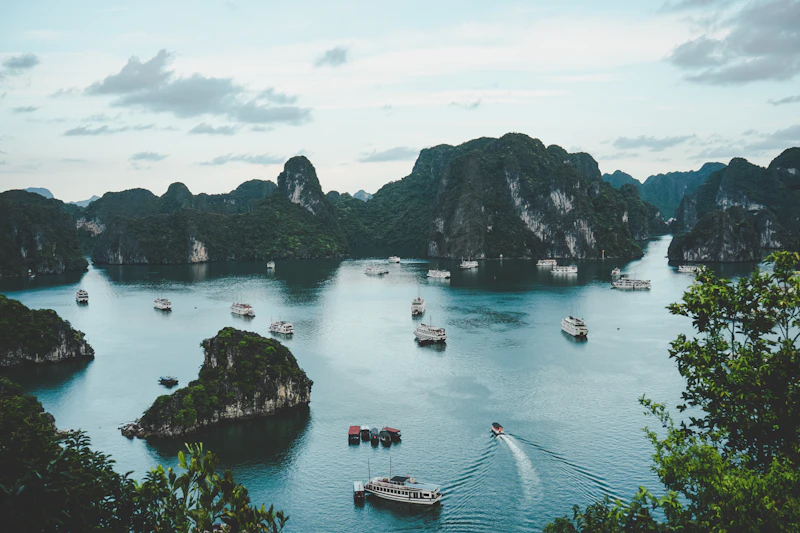
First-Time Vietnam Travel Guide: 12 Essential Tips for a Smooth Trip
Planning your first trip to Vietnam? Learn when to visit, how to get around, what to pack, payment tips, local etiquette and practical advice for a relaxed journey.
Vietnam rewards curious travellers with extraordinary food, welcoming people and landscapes that change dramatically from north to south. A little preparation will help you enjoy the country with confidence.
1. Choose the right season for your route
Vietnam has several climate zones. Northern Vietnam is coolest from November to March, while central Vietnam can be wet from September to December. Southern Vietnam stays warm throughout the year, with the driest weather usually between December and April. Plan by region instead of expecting one forecast for the whole country.
2. Allow enough time
The country is longer than many visitors expect. For a first journey, seven days works for one region, while ten to fourteen days allows a comfortable north-to-south itinerary. Avoid changing hotels every night; two or three nights in major stops creates a much more enjoyable pace.
3. Complete your entry documents early
Check the latest passport and visa requirements before booking non-refundable travel. Use only official government channels for an e-visa and verify every detail, especially your passport number, full name and entry port. Carry both digital and printed copies.
4. Pack light, breathable clothing
Choose lightweight layers, comfortable walking shoes and a compact rain jacket. Bring modest clothing that covers shoulders and knees for temples and religious sites. Sunscreen, insect repellent and a reusable water bottle are useful in every season.
5. Use a local SIM or eSIM
Reliable mobile data makes navigation, translation and transport much easier. Coverage is strong in cities and popular destinations. Download offline maps before travelling into mountain regions.
6. Understand money and payments
The Vietnamese dong is used for everyday purchases. Cards are common in hotels and larger restaurants, but cash remains useful at markets and family-run businesses. Use bank ATMs in well-lit locations and count the zeros carefully when paying.
7. Cross streets calmly
Traffic can look intimidating. At a suitable crossing, walk at a steady, predictable pace and avoid sudden movements. Drivers generally flow around pedestrians. Follow local people when possible and never assume vehicles will stop automatically.
8. Travel between cities comfortably
Domestic flights save time on long distances. Private cars and quality limousine vans are convenient for shorter regional journeys. Overnight trains are memorable, but choose a private or four-berth soft sleeper for greater comfort.
9. Eat confidently
Busy stalls with high turnover are usually a good sign. Choose freshly cooked food, drink sealed or filtered water and wash your hands regularly. Tell your guide clearly about allergies or dietary requirements. Halal travellers should confirm preparation methods rather than relying only on a menu label.
10. Respect local etiquette
Remove shoes when asked, dress respectfully at sacred places and request permission before photographing people. Public displays of anger can cause embarrassment. A calm, friendly approach usually resolves problems quickly.
11. Protect your time and belongings
Use hotel safes for passports and excess cash. Keep your phone secure near busy roads and markets. Build spare time into airport transfers, especially in Hanoi and Ho Chi Minh City during peak traffic.
12. Leave room for discovery
Some of Vietnam's best moments are unplanned: a quiet café, a village market or a conversation with a local host. Organise the essentials, then keep enough flexibility to enjoy what you find along the way.
A carefully paced itinerary and reliable local support make a first Vietnam trip far easier. VietnamKool can tailor transport, accommodation, guides and dietary arrangements around your preferred travel style.